
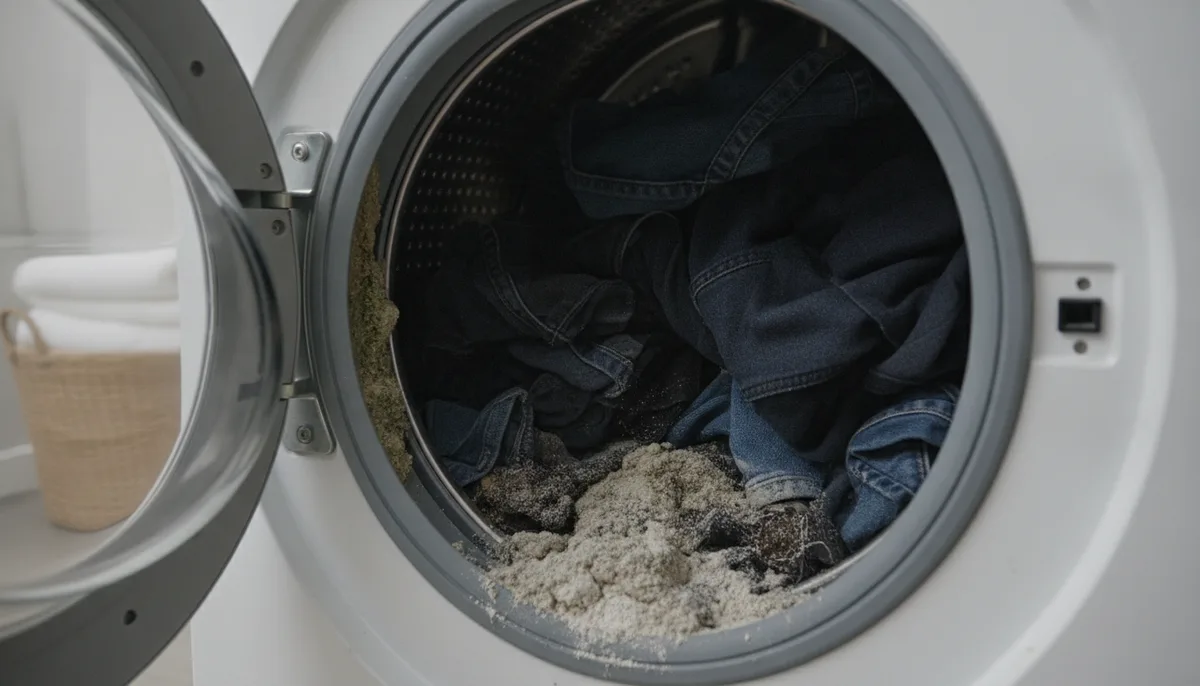
Why Your Washing Machine Smells: The Surprising Truth About Detergent and Overloading
For many homeowners, the laundry room is a sanctuary of cleanliness. We invest in high-end appliances and premium scents to ensure our wardrobes and linens remain pristine. However, a common and frustrating paradox often arises: the very machine designed to clean our clothes begins to emit a foul, stale odor that no amount of scented beads can mask.
If you have noticed a persistent damp smell emanating from your drum or found that your "clean" clothes emerge smelling less than fresh, the culprit might not be a mechanical failure. Instead, it often boils down to two mundane but high-impact habits: using too much laundry detergent and overstuffing the machine.
As a professional in the real estate space, I often see how poorly maintained appliances can impact a home’s appeal. Just as Mastering the Open House: A Strategic Guide for Buyers, Sellers, and Real Estate Professionals emphasizes the importance of a sensory-neutral, clean environment, a smelly washing machine can be a major red flag for prospective buyers and a daily nuisance for residents.
The Detergent Paradox: Why More Isn’t Cleaner
It is a natural instinct to assume that more soap equals more cleanliness. If a load of gym clothes is particularly pungent, we might be tempted to fill the detergent cap to the brim. Unfortunately, modern washing machines—especially High-Efficiency (HE) models—are designed to operate with remarkably small amounts of water and soap.
When you overdose on detergent, the machine’s rinse cycle cannot effectively flush away the excess suds. This leaves behind a microscopic layer of surfactant and soil on your clothes, making them feel stiff and scratchy. More importantly, it leaves a "sludgy" residue inside the machine’s hidden components.
The Science of "Scrud"
In the industry, the buildup of detergent residue is often referred to as "scrud." This substance is a combination of unrinsed soap, minerals from hard water, and organic matter like skin cells and body oils. This mixture settles in the out-of-sight areas of your machine:
- The Door Seal: The rubber gasket (bellows) on front-loading machines is a prime location for sludge to collect.
- The Outer Tub: While the inner drum looks shiny, the outer tub that holds the water can become coated in a layer of biofilm.
- Drain Pipes: Excess suds can slow down the drainage process, allowing debris to settle and rot.
This biofilm serves as a feast for bacteria and mold. Because the interior of a washing machine is dark, warm, and frequently damp, it provides the perfect incubator for odor-causing colonies.
The Mechanical Strain of Overloading
The second major contributor to a smelly, inefficient machine is the habit of "cramming." We lead busy lives, and the temptation to finish the laundry in a single load is high. However, an overfilled drum prevents the machine from performing its two most critical functions: agitation and extraction.
According to Mary Gagliardi, also known as “Dr. Laundry,” a scientist and cleaning expert at Clorox, clothes need room to tumble. "Clothes won’t tumble or circulate properly through the wash solution if the washer is overloaded," she explains. Without proper movement, the detergent cannot reach every fiber, and the friction required to loosen dirt is significantly reduced.
The "Sopping Wet" Symptom
If your clothes are frequently emerging from the machine soaking wet, it is likely a balance issue caused by overloading. Modern machines use sensors to detect when a load is lopsided. If you have stuffed the drum too full, or if a single heavy item like a large towel is preventing the drum from balancing, the machine will automatically default to a lower spin speed.
This is a safety mechanism designed to prevent the machine from shaking itself apart, but it results in poor water extraction. Saturated clothes take longer to dry and, if left in the drum for even a short period, contribute to that "sour" smell that permeates the laundry room.
High-Efficiency (HE) Machines and the Water Volume Factor
The shift toward High-Efficiency machines has changed the rules of laundry. Traditional top-loaders used to submerge clothes in a deep vat of water, which was much more forgiving of detergent overdosing. HE machines, however, use a fraction of that water, relying on a concentrated solution to clean.
If you are using a standard detergent in an HE machine, or even using too much HE-specific detergent, the suds can become so voluminous that they create a "suds lock." This can confuse the machine's sensors, lead to leaks, and ensure that a layer of film is baked onto the drum during the drying or high-heat cycles.
For those looking to reduce their chemical footprint while maintaining a clean home, transitioning to more precise laundry habits is a great step. This aligns with a broader movement toward sustainability, much like the strategies found in The Low-Cost Guide to a Plastic-Free Kitchen: Protecting Your Family from Microplastics. Reducing detergent waste is not just good for your machine; it's better for the environment.
How to Reset and Clean Your Smelly Washer
If your machine has already developed a foul odor, simply reducing your detergent use won't fix the problem overnight. You need to clear out the existing buildup.
- Clean the Dispenser Drawer: Many people forget that the drawer where you pour detergent can harbor mold. Pull the drawer out entirely and scrub it with warm, soapy water and an old toothbrush.
- Scrub the Gasket: Peel back the folds of the rubber door seal. You will likely find a gray or black slime. Wipe this away using a mixture of white vinegar and water or a specialized cleaner.
- Run a Service Cycle: Most modern machines have a "Clean Washer" cycle. Run this with a dedicated washing machine cleaner or a cup of bleach (never mix the two). This uses higher water temperatures and extra agitation to break up the biofilm on the outer tub.
- Check the Filter: Many front-loaders have a small access door at the bottom front. This houses a debris filter that can catch coins, hair, and lint. If this filter is clogged, water will sit in the pump and rot.
Finding the "Goldilocks" Dose
The key to a fresh-smelling machine is finding the "just right" amount of detergent. There is no universal dose because several variables are at play:
- Load Size: A small load of lightly soiled office wear needs significantly less soap than a large load of muddy kids' clothes.
- Soil Level: If the clothes aren't visibly dirty, you can often get away with the bare minimum.
- Water Hardness: Hard water contains minerals that interfere with detergent’s ability to lather. If you have very hard water, you may need slightly more detergent or a water softener. Conversely, if you have soft water, you should use even less than the manufacturer recommends.
Gagliardi suggests starting with the lowest possible dose—usually "Line 1" on the measuring cap—and only increasing it if you find that stains are not being removed.
Long-Term Maintenance for a Healthy Home
Maintaining your appliances is a core part of responsible homeownership. Beyond the immediate benefit of better-smelling clothes, proper laundry habits extend the lifespan of your washing machine. Overloading puts immense strain on the motor, bearings, and suspension springs, leading to costly repairs or premature replacement.
Furthermore, a well-maintained laundry room prevents the growth of mold spores that can affect indoor air quality. By keeping the door of your front-loader ajar between washes and being mindful of your detergent quantities, you ensure that your home remains a healthy, inviting space.
Whether you are preparing your home for the market or simply trying to improve your daily routine, these small adjustments in the laundry room yield significant results. Fresher clothes, a quieter machine, and a home that smells like a home—not a damp basement—are well worth the effort of breaking old habits.