
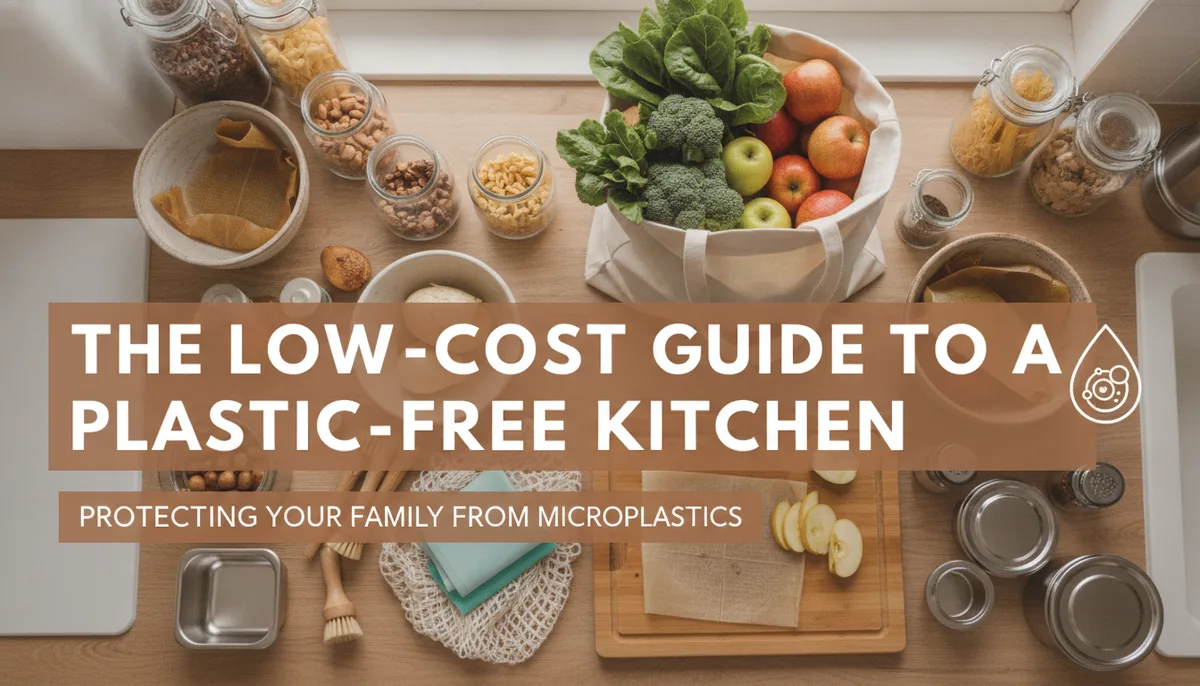
The Low-Cost Guide to a Plastic-Free Kitchen: Protecting Your Family from Microplastics
The Hidden Cost of Convenience: Why Plastic-Free Matters
For decades, plastic has been marketed as the ultimate tool of convenience. It’s lightweight, unbreakable, and inexpensive. However, the true cost of this material is becoming increasingly clear. As Karuna Eberl points out, the urgency to "get off the plastic train" often skyrockets the more one learns about the science behind it.
The concern isn't just environmental; it is deeply personal. Scientists and safety experts have sounded the alarm regarding the swath of problems plastic causes to our health, wildlife, and atmosphere. From the manufacturing plants that impact local communities to the microplastics that end up in our soil and waterways, the lifecycle of plastic is fraught with hazards.
Making the switch to a plastic-free kitchen isn't just about being "green"—it's a fundamental step in controlling the environment within your own home. While global plastic pollution is a massive, existential crisis, you have the direct power to dictate what touches your food and enters your family’s bodies.
The "Fuzzy Hamster" Reality: Understanding Microplastic Ingestion
One of the most jarring statistics in modern environmental health is the amount of plastic humans consume. On average, we directly ingest the equivalent of two "fuzzy hamsters" worth of plastic each year—roughly 250 grams. This ingestion occurs through microplastics and nanoplastics that have become intertwined with our meat, vegetables, and drinking water.
Beyond the physical particles, plastics are carriers for thousands of embedded chemicals. These substances, including phthalates and BPA, can leach into food when plastic is heated or when it begins to break down. This is particularly prevalent in the kitchen, where heat and acidity accelerate the degradation of plastic containers and utensils. By starting your plastic-free journey in the kitchen, you are targeting the primary point of entry for these contaminants.
If you are also looking to improve your home's overall sustainability and health profile, consider how your outdoor spaces contribute to your goals. For instance, you can Maximize Your Harvest: The Essential Guide to Designing a Productive Raised Bed Garden Layout to ensure your produce is grown without the microplastic contamination often found in industrial agricultural soils.
Phase 1: Purging the Cookware (Cast Iron vs. Non-Stick)
The most urgent change in any kitchen is the removal of non-stick cookware. Most traditional non-stick pans are coated with Teflon or its PTFE (Polytetrafluoroethylene) derivatives. When these pans are scratched or exposed to high heat—such as when searing a steak or boiling water—they can release thousands of micro- and nanoplastic particles into your meal. Furthermore, many of these coatings contain PFAS, often referred to as "forever chemicals" because they do not break down in the environment or the human body.
The Superiority of Cast Iron and Stainless Steel
The safest and most durable alternatives are cast iron, stainless steel, and glass. These materials have been used for generations and do not require chemical coatings to function.
- Cast Iron: While it requires a "seasoning" process to become naturally non-stick, it is virtually indestructible. You can often find vintage cast iron at garage sales or thrift stores for a few dollars. Even a rusted pan can be restored with a bit of steel wool and oil.
- Stainless Steel: Perfect for boiling, sautéing, and making sauces. It is non-reactive and does not leach chemicals into acidic foods like tomato sauce.
- Glass: Ideal for baking dishes and storage.
A Word on Ceramic Alternatives
Many "ceramic" non-stick pans are marketed as safe alternatives. While they are generally better than Teflon, some may still contain trace amounts of PTFE or other coatings that can break down over time. If you use ceramic, treat it with care and replace it the moment the surface shows signs of wear.
Phase 2: Utensils and Preparation Surfaces
Once the pans are addressed, the next step is looking at what you use to stir and cut your food. Plastic spatulas, especially black plastic ones, are particularly problematic. They are often made from recycled plastics that may contain flame retardants and other chemicals not intended for food contact. When these utensils touch a hot pan, they can melt or leach chemicals directly into your dinner.
Swapping to Wood and Metal
Transitioning to wooden or stainless steel utensils is an easy, low-cost win.
- Wooden Spoons and Spatulas: These are naturally heat-resistant and won't scratch your pans (even those ceramic ones you might still be using).
- Stainless Steel Turners: These are essential for cast iron cooking, allowing you to get under food easily without the risk of melting.
Cutting Boards
Plastic cutting boards are major sources of microplastics. Every time a sharp knife hits the plastic surface, it creates tiny grooves and releases micro-shards. Swapping to a thick wooden or bamboo cutting board eliminates this risk. Wood also has natural antimicrobial properties that make it a safe choice for food prep.
Phase 3: Hidden Plastics (Sponges, Tea Bags, and Cans)
The "stealth" plastics in our kitchens are often the most surprising. You might be surprised to find plastic in:
- Tea Bags: Many modern tea bags are made from a plastic mesh rather than paper. When steeped in boiling water, they release billions of plastic particles.
- Sponges: Traditional yellow-and-green sponges are made of synthetic polymers that shed microplastics down the drain every time you wash a dish.
- Canned Goods: The lining of many metal cans contains BPA or other plastic resins to prevent corrosion.
- Coffee Pods: Single-use pods are a significant source of both plastic waste and potential chemical leaching during the brewing process.
To address these, look for compostable sponges made of cellulose or loofah, switch to loose-leaf tea with a stainless steel infuser, and opt for fresh or frozen produce over canned whenever possible. If you're interested in reducing your reliance on store-bought, plastic-packaged goods, you might want to explore The Ultimate Guide to Building a DIY Mini Greenhouse with Recycled Windows. This allows you to grow your own herbs and greens year-round without the plastic waste.
The $200 Challenge: Budget-Friendly Plastic Alternatives
Ditching plastic doesn't have to be expensive. In fact, many of the best alternatives are cheaper in the long run because they last a lifetime. Here is how you can overhaul your kitchen for under $200:
- Thrift Store Finds ($40): Look for cast iron skillets, stainless steel pots, and glass Pyrex storage containers. These are often donated in perfectly good condition.
- Wooden Utensil Set ($20): A high-quality set of bamboo or acacia wood spoons and spatulas.
- Stainless Steel Mixing Bowls ($25): Durable, lightweight, and plastic-free.
- Glass Storage Jars ($30): Use Mason jars for leftovers, dry goods, and even freezing (just leave room for expansion!).
- Beeswax Wraps ($20): A reusable alternative to plastic cling wrap.
- Cotton Mesh Produce Bags ($15): To avoid the thin plastic bags at the grocery store.
- French Press or Stainless Steel Coffee Filter ($30): To replace plastic-heavy coffee makers or pods.
By focusing on these durable, multi-use items, you create a kitchen that is safer for your family and more sustainable for the planet.
Sustainable Living and Your Home’s Value
Creating a healthy, plastic-free home is more than a personal health choice; it’s a lifestyle statement that is increasingly valued in the real estate market. Modern buyers are looking for homes that promote wellness and sustainability. Highlighting a "chef's kitchen" equipped with high-quality, non-toxic materials like cast iron and stainless steel can be a subtle but powerful selling point.
If you are preparing to showcase your home’s unique features, understanding the nuances of presentation is key. Check out Mastering the Open House: A Strategic Guide for Buyers, Sellers, and Real Estate Professionals to learn how to position your healthy home improvements to attract the right buyers.
Ultimately, the journey to a plastic-free kitchen is about progress, not perfection. Every plastic spatula replaced with wood and every non-stick pan swapped for cast iron is a victory for your health. By taking these small, affordable steps, you reclaim control over your environment and set a standard for a healthier way of living.