
Why Are Car Sunroofs Exploding? Understanding the 2026 Safety Crisis
The Rising Phenomenon of Exploding Sunroofs
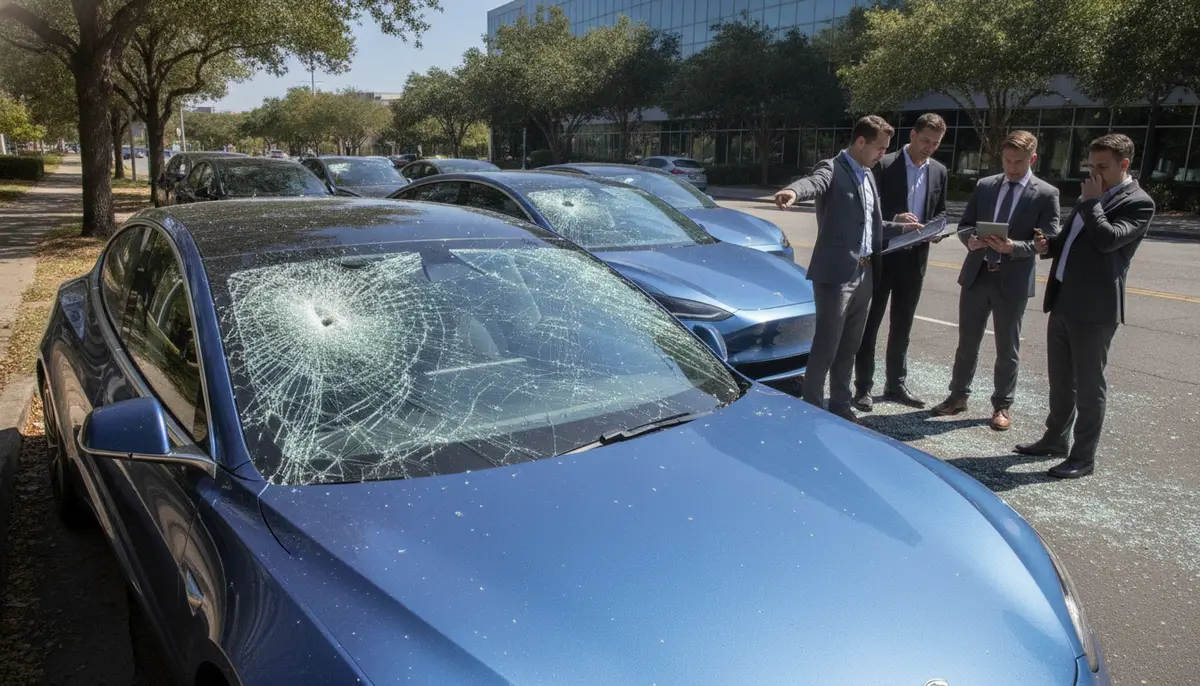
For most drivers, a sunroof is a luxury feature designed to let in the breeze and improve the cabin's ambiance. However, a growing number of motorists in 2026 are experiencing a terrifying phenomenon: their sunroofs are "exploding" while they are driving down the highway. The sound is often described as a gunshot or a bomb detonating, followed immediately by a rain of tempered glass shards.
This isn't just a series of isolated incidents. Data from the National Highway Traffic Safety Administration (NHTSA) shows a significant upward trend in these reports. In 2025, there were 550 reported cases of broken sunroofs, and by September 2026, that number has already reached nearly 500. As modern vehicle design leans more heavily into panoramic glass roofs, the frequency of these failures has moved from a rare anomaly to a legitimate safety concern for the modern driver.
Understanding why this is happening requires a look at the intersection of automotive engineering, material science, and current market trends. Whether you are driving to view a potential new home or taking a scenic route to enjoy the 2026 Fall Foliage Forecast: Why Your Autumn Colors May Look Different This Year, the safety of your vehicle's glass is something that can no longer be taken for granted.
The Science Behind the "Explosion"
The term "exploding sunroof" is often used in headlines, but from a technical standpoint, the glass is undergoing a rapid shattering event. Most sunroofs are made of tempered glass. Unlike the laminated glass used in windshields—which consists of a layer of plastic sandwiched between two layers of glass—tempered glass is designed to break into thousands of small, relatively blunt pieces to prevent large, jagged shards from injuring occupants.
Internal Stress and Tempered Glass
Tempered glass is created through a process of extreme heating and rapid cooling. This creates a state of high internal stress. The outer surfaces are in compression, while the interior is in tension. This balance is what makes the glass strong, but it also makes it volatile. If that balance is compromised, the entire pane disintegrates almost instantly.
The Impact of Road Debris
One of the leading theories supported by the NHTSA is that "invisible" damage is often the culprit. A tiny pebble or a piece of road debris can strike the glass at high speeds. While it might not cause an immediate crack, it creates a microscopic fracture. Over time, as the car vibrates, hits potholes, or experiences temperature changes, that tiny fracture grows until the structural integrity of the pane fails, resulting in a sudden "explosion."
Why 2026 is Seeing a Surge in Reports
If sunroofs have existed for decades, why are we seeing a spike in failures now? The answer lies in the sheer volume of glass being used in modern vehicles.
The Rise of the Panoramic Roof
A decade ago, sunroofs were relatively small cutouts in the metal roof of a car. Today, panoramic roofs are a standard luxury feature, often stretching from the top of the windshield to the rear passenger seats. According to recent data, 40 percent of new cars and trucks sold in the U.S. now feature sunroofs—a 10 percent increase since 2011.
With more surface area comes more risk. A larger pane of glass is a larger target for debris and is subject to more significant flexing as the vehicle's frame moves. When you have nearly half of the new vehicle fleet equipped with massive glass panels, the statistical likelihood of failure increases exponentially.
Manufacturing and Material Limits
As manufacturers push the boundaries of design, the glass panels are becoming thinner to save weight and improve fuel efficiency. While these panels meet current safety standards, the margin for error regarding impact resistance and structural stress is narrowing.
Legal Challenges and Manufacturer Accountability
The legal system has struggled to keep up with the "exploding sunroof" trend. Because the issue spans across 17 different manufacturers and over 200 individual models, it has been difficult for plaintiffs to prove a specific manufacturing defect in court.
Recent class-action lawsuits against major brands like Kia and Mercedes-Benz have faced significant hurdles. In July 2026, a case against Mercedes-Benz was dismissed because the plaintiffs could not provide sufficient evidence that the shattering was caused by a design flaw rather than external factors like road debris.
The NHTSA has spent years investigating specific models, such as the Kia Sorento, but the lack of a "smoking gun" defect makes a widespread recall unlikely. For now, the burden of safety and maintenance remains largely on the vehicle owner.
How to Protect Yourself and Your Vehicle
While you cannot control a stray pebble on the highway, there are practical steps you can take to minimize the risk of a sunroof failure and protect yourself if one occurs.
1. Keep the Sunshade Closed
The simplest and most effective safety measure is to keep your interior sunshade closed when driving at high speeds. In many reported cases, such as the incident involving Amber Nguyen in Louisiana, the sunshade acted as a secondary barrier, preventing glass shards from falling onto the driver and passengers.
2. Regular Inspections
Just as you would check your tires or oil, you should periodically inspect your sunroof for chips or pits. Use a microfiber cloth and a high-quality glass cleaner to clear the surface, then look closely for any imperfections.
3. Consider Protective Films
Some owners are turning to aftermarket solutions like clear safety films or ceramic tints. These films are applied to the interior or exterior of the glass. In the event of a failure, the film helps hold the glass pieces together, much like a laminated windshield, preventing the "rain of glass" effect.
4. Garage Your Vehicle
Extreme temperature fluctuations can stress tempered glass. If possible, park your vehicle in a garage or under a carport to shield it from direct sunlight and rapid cooling at night. This is particularly important during the transition into autumn or winter. If you are preparing your home for the season, perhaps while following The Ultimate Early Spring Weed Prevention Guide: How to Stop Weeds Before They Start, don't forget that your garage environment plays a role in vehicle longevity.
What to Do If Your Sunroof Shatters
If you experience a sunroof failure while driving, the most important thing is to remain calm. The sound will be startling, but the vehicle remains mechanically sound.
- Do Not Slam on the Brakes: A sudden stop could cause more glass to fall or lead to a rear-end collision.
- Pull Over Safely: Find a flat, safe area away from traffic.
- Document the Scene: Take photos of the glass from multiple angles before cleaning it up. This is vital for insurance claims and potential future legal actions.
- Contact Your Insurance: Check if your comprehensive coverage includes glass. Many policies have a separate deductible for glass that may be lower than your standard deductible.
The Future of Automotive Glass
As we move further into 2026 and beyond, the automotive industry is at a crossroads. Consumers demand the aesthetic of panoramic roofs, but the safety data suggests that tempered glass may have reached its practical limit for such large applications.
Some manufacturers are beginning to experiment with laminated glass for sunroofs, which would eliminate the "explosion" factor. However, laminated glass is heavier and more expensive, which presents a challenge for mass-market vehicles. Until a shift in manufacturing occurs, drivers must stay vigilant.
Maintaining your vehicle's integrity is just as important as maintaining your home. Whether you are focused on Mastering the Open House: A Strategic Guide for Buyers, Sellers, and Real Estate Professionals or simply ensuring your daily commute is safe, understanding the risks of modern car features is essential. Keep your eyes on the road, your sunshade closed, and your glass inspected.