
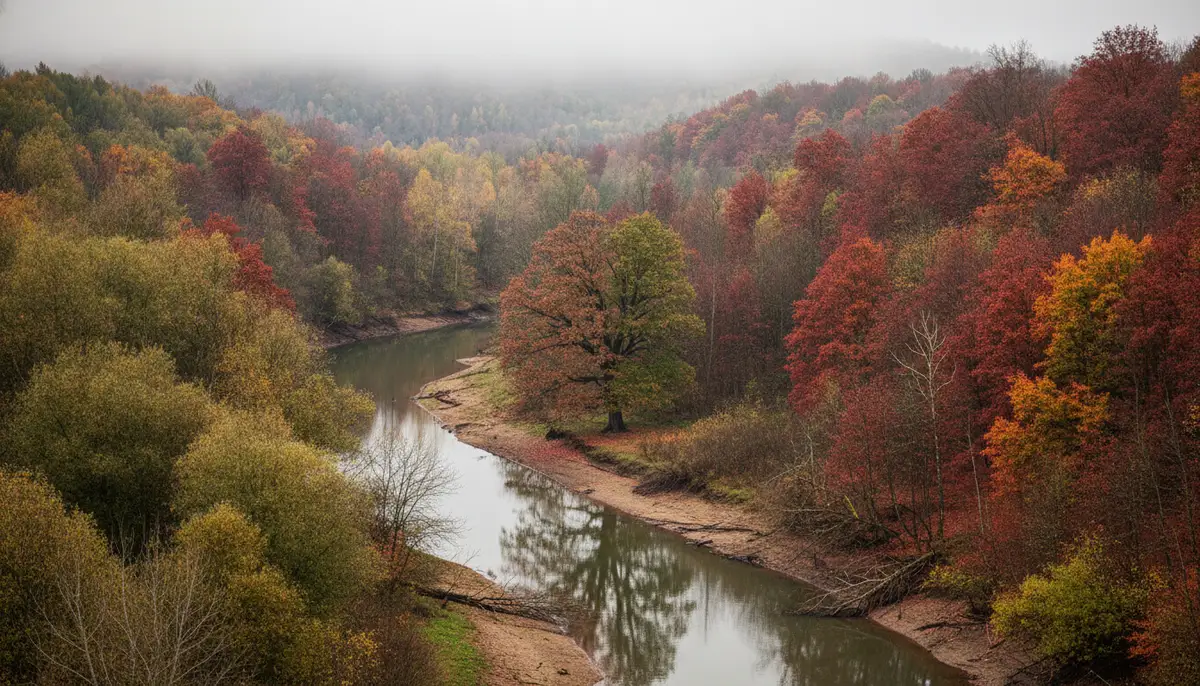
2026 Fall Foliage Forecast: Why Your Autumn Colors May Look Different This Year
As the calendar turns to September 2026, homeowners and nature enthusiasts alike are looking toward the horizon for the first signs of autumn’s golden transformation. However, this year’s "leaf-peeping" season comes with a caveat. Following a summer defined by record-breaking heat and inconsistent rainfall, the traditional explosion of reds, oranges, and yellows may look significantly different depending on where you live.
For the real estate market, fall foliage is more than just a scenic backdrop; it is a vital component of curb appeal. Vibrant leaves can make a property feel inviting and established, while a yard full of brittle, brown leaves can make a home feel neglected. Understanding the science behind this year’s forecast can help you manage your landscape and set expectations for the season ahead.
The Science of the Shift: Why Leaves Change (or Don't)
To understand why 2026 might be a "duller" year for some, we must first look at the biological process of senescence—the stage where a tree prepares for winter. Throughout the spring and summer, leaves are essentially food factories, using chlorophyll to convert sunlight into energy. This chlorophyll is what gives leaves their deep green hue.
As the days shorten in September, trees receive a biological signal to stop food production. As chlorophyll breaks down, it disappears from the leaves, revealing other pigments that were there all along.
The Role of Pigments
- Carotenoids and Flavonoids: These produce the yellows and oranges we see in hickories, birches, and poplars. These pigments are present in the leaf throughout the growing season but are masked by the dominant green of chlorophyll.
- Anthocyanins: These create the brilliant reds and purples found in maples and oaks. Unlike yellows, reds are produced primarily in the fall. Their intensity depends heavily on the amount of sugar trapped in the leaf and the amount of sunlight the tree receives during the cooling weeks of September.
In 2026, the University of North Carolina at Chapel Hill notes that the final display is a delicate balance of weather, sunlight, and residual leaf sugar. If a tree is stressed by drought, it may not produce the sugars necessary for those deep reds, leading to a more washed-out appearance.
How the 2026 Weather Pattern is Muting the Palette
The primary culprits behind this year’s muted forecast are drought and heat. When a tree experiences a "hot, dry summer," it enters a defensive mode. Instead of focusing on a slow, graceful transition into dormancy, the tree may prematurely cut off the flow of nutrients to its leaves to preserve moisture in its trunk and roots.
According to the National Park Service, cool September nights are supposed to stimulate cells at the base of each leaf stem to develop a "corky layer." This layer eventually severs the connection between the leaf and the tree. However, when heat persists too late into the season, this process can be disrupted.
In many parts of the U.S. this year, we are seeing "scorch," where the edges of leaves turn brown and brittle before the chlorophyll has even begun to fade. This results in leaves falling off the tree while they are still partially green or entirely brown, skipping the vibrant peak altogether.
Regional Breakdown: Winners and Losers of the 2026 Season
The 2026 forecast is a tale of two autumns. While some regions are bracing for a lackluster showing, others are positioned for one of the best displays in recent memory.
The Best Outlook: The Central Appalachians
If you are looking for the quintessential autumn experience, the map points toward the eastern half of the country. Specifically, the central Appalachians—encompassing West Virginia, eastern Kentucky, eastern Tennessee, and western Virginia—are expected to have a stellar year. These areas maintained more consistent moisture levels through the summer, allowing trees to remain healthy enough to produce high sugar content for vibrant reds.
The Muted Zones: Pacific Northwest and Upper Midwest
Conversely, the Farmers’ Almanac suggests that the Pacific Northwest and the Upper Midwest may see a "spotty" season. In these regions, uneven rainfall has left some groves thriving while others are already showing signs of early leaf drop.
The Southern Heat Impact: Texas and the Gulf
Texas and the western Gulf region have faced significant heat stress this year. Homeowners in these areas should expect a shorter-lived season, with many native hardwoods turning a dull bronze or brown rather than the fiery oranges typically seen in cooler years.
The Impact on Real Estate and Curb Appeal
For those planning to list their homes this season, the foliage forecast matters. A lush, colorful yard is a hallmark of high-end real estate photography. If you are in a region where the leaves are expected to be brown or fall early, you may need to adjust your strategy.
When preparing for a sale, Mastering the Open House: A Strategic Guide for Buyers, Sellers, and Real Estate Professionals becomes even more critical. If the natural foliage isn't providing that "wow" factor, you can compensate by:
- Using seasonal planters with vibrant chrysanthemums and pansies to add the color that the trees might be lacking.
- Ensuring that fallen, brown leaves are raked daily to prevent the lawn from looking unkempt.
- Highlighting evergreen structures or hardscaping features like decks and patios.
If you are looking to enhance your outdoor living space to enjoy whatever color does arrive, consider a DIY project like a Trex deck to provide a clean, modern contrast to the organic textures of the season.
Protecting Your Trees: What Homeowners Can Do Now
While we cannot control the regional climate, individual homeowners can take steps to help their trees perform better during a stressful autumn.
Supplemental Watering
If your area is currently experiencing a dry spell, deep watering your trees can make a significant difference. Instead of a light daily sprinkle, use a soaker hose or a slow-drip system to ensure moisture reaches the root zone, which typically extends to the "drip line" (the edge of the tree's canopy).
Mulching
Applying a 2-to-3-inch layer of organic mulch around the base of your trees (keeping it away from the actual trunk) helps retain soil moisture and regulate temperature. This can reduce the stress that leads to early leaf drop.
Soil Health
As you move into late fall, it is also the time to think about the next growing season. Preventing competition for nutrients is key. Using a guide like The Ultimate Early Spring Weed Prevention Guide: How to Stop Weeds Before They Start can help you ensure that come next year, your trees and garden beds aren't fighting invasive plants for resources.
Looking Forward: Gardening and Landscape Planning
A disappointing foliage season is often a catalyst for homeowners to rethink their landscape design. If your yard felt "one-note" because of the drought, it might be time to diversify your plantings.
Integrating a mix of deciduous trees with different peak times—such as Red Maples for early color and Oaks for later displays—can extend your autumn interest. Additionally, focusing on the functional aspects of your yard can provide value regardless of the leaf color. For those interested in a more utilitarian approach to their green space, you can Maximize Your Harvest: The Essential Guide to Designing a Productive Raised Bed Garden Layout to ensure your property remains vibrant and productive well into the harvest season.
Essential Tools for a Successful Fall Cleanup
Regardless of the color, the leaves will eventually fall. Having the right tools can turn a grueling weekend chore into a manageable task. Look for ergonomic rakes or high-powered leaf blowers that can handle damp, heavy debris.
Conclusion: Embracing the 2026 Autumn
While 2026 may not go down in history as the most vibrant year for fall foliage across the entire United States, there is still much to appreciate. The "spotty" nature of the season means that local microclimates will still offer pockets of brilliance.
By understanding the factors at play—from the "corky layer" of the leaf stem to the impact of summer drought—homeowners can better care for their landscapes and prepare their properties for the winter months. Keep an eye on local conditions, stay diligent with watering during dry spells, and enjoy the unique, perhaps more subtle, beauty that this year’s transition has to offer.