
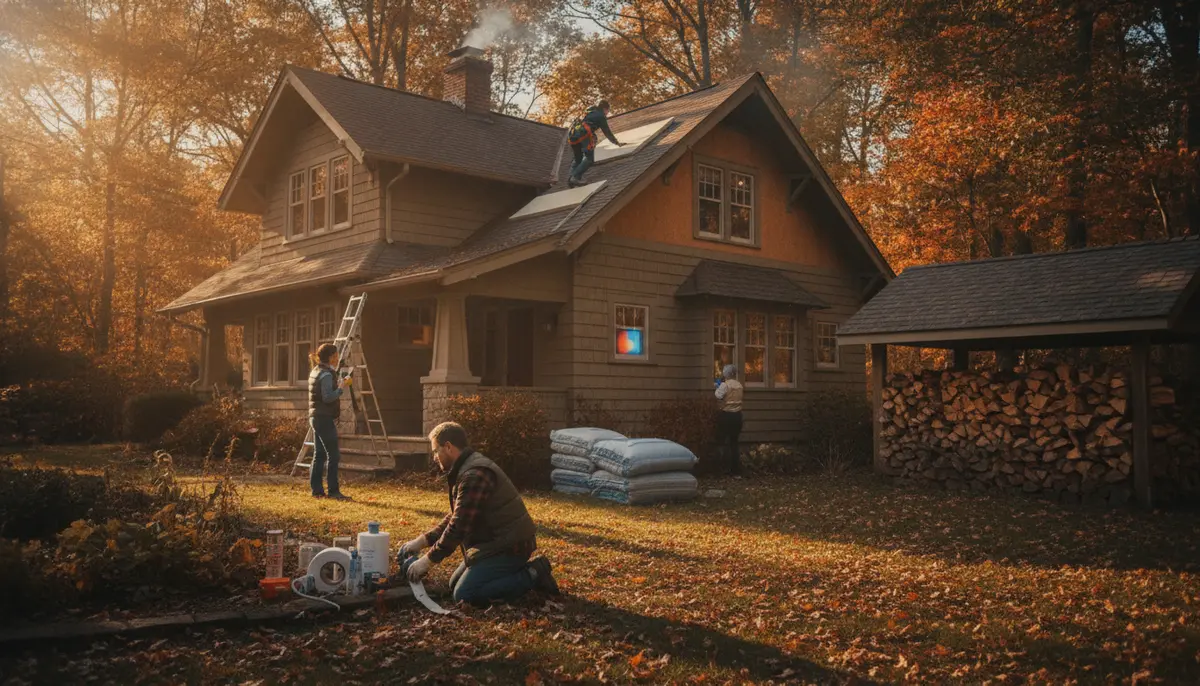
The Ultimate Fall Insulation Guide: How to Winterize Your Home for Maximum Efficiency
As the vibrant colors of autumn begin to peak—a phenomenon you can track in our 2026 Fall Foliage Forecast: Why Your Autumn Colors May Look Different This Year—homeowners are reminded that the biting chill of winter is never far behind. While most people think of winterization as simply turning off the outdoor spigots, the most impactful work happens within the walls and ceilings of your home.
Robust insulation is more than a comfort feature; it is a financial and structural safeguard. According to Andre Kazimierski of HomeHero Roofing, even the best insulation can’t perform its job if the house is leaking air. Proper winterization requires a two-pronged approach: sealing gaps to stop air movement and enhancing insulation to slow down heat transfer through building materials like wood, metal, and concrete.
In this guide, we will explore the critical areas of your home that require attention this fall to ensure you stay warm, your pipes stay liquid, and your energy bills stay manageable.
The Attic and Roof: Your Home’s Primary Thermal Shield
The attic is arguably the most critical zone for winterization. Because heat naturally rises, a poorly insulated attic acts like a chimney, drawing warm air out of your living spaces and pulling cold air in through lower-level leaks—a phenomenon known as the "stack effect."
Inspecting the Roof Deck
As roofs age, they naturally expand and contract, which can create small gaps that allow cold air to infiltrate the attic. Andre Kazimierski recommends hiring a professional roofer to perform a seasonal inspection. Sealing these gaps is a foundational step in your winterization program. For those looking to go a step further, applying rigid foam or spray insulation directly to the underside of the roof deck can create a conditioned attic space, significantly reducing the temperature differential between your home and the outdoors.
Reinforcing the Attic Floor
Most attics are designed to be vented to prevent moisture buildup. Because of this, it is vital to thermally separate the attic from the rest of the house.
- Fiberglass Batts: These are traditional and effective if installed without gaps.
- Blown-In Insulation: This is often the preferred method for older homes with irregular joist spacing, as it fills every nook and cranny.
If you already have insulation but still feel drafts, look for areas where the material has settled or been disturbed. Adding a fresh layer of insulation over existing material is one of the highest-ROI DIY projects a homeowner can undertake.
Addressing the "Heat Sinks": Walls and Exterior Siding
While wood siding offers a baseline level of natural insulation, it is rarely enough to combat sub-zero temperatures. The challenge becomes even greater with brick or concrete homes. Bob Cardwell of Cardwell HVAC notes that these materials can act as "heat sinks," effectively absorbing the warmth from your interior and radiating it directly into the cold outdoor air.
Solutions for Finished Walls
If your home was built before modern energy codes, your wall cavities might be empty. You don't have to tear down your drywall to fix this.
- Blown-In Insulation: Professionals can inject cellulose or foam into wall cavities through small exterior or interior holes.
- Spray Foam: For specific gaps around outlets or where walls meet the floor, is an excellent tool for stopping localized air leaks.
Sealing the Openings: Windows and Doors
Windows and doors are the most obvious points of failure in a home’s thermal envelope. Over time, the materials meant to keep the weather out begin to fail.
The Importance of Rubber Seals
"One of the best winterization tasks you can do before winter is to replace the rubber seals on windows and exterior doors," says Cardwell. These seals are subject to extreme temperature swings, causing them to shrink and become brittle. When this happens, they no longer create an airtight bond. Checking these seals in the fall allows you to replace them before the first frost makes the material too rigid to work with.
Weatherstripping and Sweeps
Beyond the seals, the physical gaps at the bottom of doors are major culprits for heat loss. Cardwell recommends installing a foam sweep on the bottom of every exterior door. This acts as insurance against drafts that can skip right over a standard threshold.
Plumbing Protection: Preventing the Mid-Winter Burst
Winterization isn't just about comfort; it's about disaster prevention. Frozen pipes can lead to thousands of dollars in water damage and structural repairs.
Identifying Vulnerable Pipes
Pipes running through unheated spaces—such as attics, crawl spaces, or basements—are at the highest risk. Additionally, any plumbing located against an exterior wall should be treated with caution.
Insulation Methods
- Foam Sleeves: For exposed pipes in protected but unheated areas, Foam Pipe Insulation Sleeves for... provide a simple, cost-effective barrier.
- Electric Heat Cables: In environments where temperatures regularly drop below 32 degrees Fahrenheit, Cardwell advises the use of electric heat cables. These cables are thermostatically controlled to provide just enough heat to prevent freezing.
Don't forget your hot water lines. Insulating these pipes doesn't just prevent freezing; it reduces standby heat loss, meaning your water heater doesn't have to work as hard to maintain temperature, saving you money year-round.
The Foundation: Rim Joists and Sill Plates
The basement is often overlooked because it is "underground," but the area where the house structure meets the foundation—the rim joist and sill plate—is a frequent source of significant air leakage.
Closed-Cell vs. Open-Cell Foam
When sealing the rim joist, the choice of material matters. Bob Cardwell recommends closed-cell foam insulation for this area. Unlike open-cell foam, closed-cell varieties are denser and act as a vapor barrier, which is essential in the typically damp environment of a basement or crawl space.
For smaller penetrations, such as where pipes or wires exit the foundation, expanding foam and high-quality caulk are your best friends. Taking the time to crawl the perimeter of your basement with a flashlight can reveal dozens of tiny air leaks that, when combined, are equivalent to leaving a window cracked all winter.
The Financial and Real Estate Perspective
From a realtor's point of view, a well-insulated home is a significant selling point. Energy efficiency is increasingly at the top of buyer wishlists. When a home is properly winterized, it indicates to potential buyers that the property has been meticulously maintained.
If you are preparing your home for the market, highlighting these upgrades can be a powerful tool during showings. For more tips on preparing your home for potential buyers, see our guide on Mastering the Open House: A Strategic Guide for Buyers, Sellers, and Real Estate Professionals.
Beyond the resale value, the immediate reduction in utility bills provides a "payback period" that few other home improvements can match. In an era of rising energy costs, an afternoon spent in the attic or basement can save hundreds of dollars over a single winter season.
Conclusion: A Proactive Fall Checklist
Winterizing your home is a task that pays dividends in comfort, safety, and savings. By focusing on the attic, walls, openings, plumbing, and foundation, you create a comprehensive barrier against the elements.
As you move through your fall maintenance routine, remember the advice of the experts: seal the air leaks first, then reinforce the insulation. Whether you are doing it yourself with or hiring a professional for a blown-in application, the time to act is now, before the ground freezes and the drafts begin to bite. Take the time this fall to secure your home's thermal envelope—your wallet and your family will thank you when January arrives.