
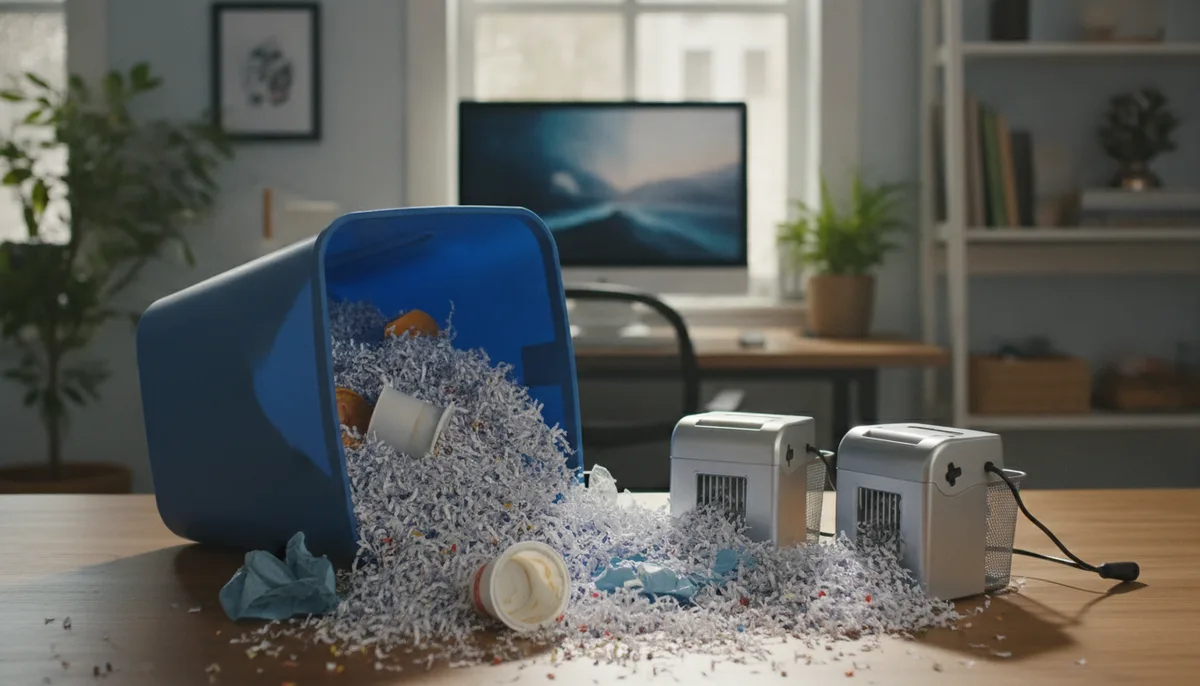
The Shredded Paper Dilemma: Why Your Home Office Waste Might Be Unrecyclable
For many homeowners, the home office is a hub of productivity that unfortunately generates a significant amount of paper waste. Between old tax returns, expired insurance policies, and the endless stream of "pre-approved" credit card offers, the paper shredder often feels like the most hardworking appliance in the room. We shred to protect our sensitive information—a vital step in home security and identity protection—but we do so with the assumption that those tiny strips of paper are headed for a second life as a recycled cardboard box or a new notebook.
However, the reality of the recycling industry is far more complex. While a whole sheet of printer paper is a "gold standard" recyclable, that same sheet becomes a logistical nightmare the moment it passes through the shredder blades. Understanding why shredded paper is frequently rejected by curbside programs is the first step in managing your household waste more effectively and sustainably.
The Mechanical Challenge: Why Machines Struggle with Shreds
Most modern recycling centers, known as Material Recovery Facilities (MRFs), utilize high-speed automated systems to sort waste. These systems are designed to recognize and separate distinct shapes: flat cardboard, round aluminum cans, and rectangular sheets of paper. When you introduce shredded paper into this environment, it behaves less like "paper" and more like "confetti" or "dust."
Because the pieces are so small and light, they rarely make it through the sorting process correctly. In facilities like those in Tampa, Florida, the light weight of the shreds prevents the machinery from accurately categorizing them. Instead of being captured with other paper products, shreds often fall through the gaps in the conveyor belts or get blown into the wrong bins.
Furthermore, loose shreds can become a mechanical nuisance. They tend to stick to other materials, especially when damp, contaminating loads of glass or plastic. In some cases, the tiny fibers can even gum up the "star wheels"—the rotating discs that help sort different weights of material—leading to costly downtime and repairs for the facility.
The Fiber Quality Factor
Beyond the mechanical hurdles, there is a structural reason why shredded paper loses its value. Paper recycling is essentially a process of breaking down paper back into its component cellulose fibers, which are then screened, cleaned, and pressed into new sheets.
The strength and quality of recycled paper depend entirely on the length of these fibers. Long fibers create strong, high-quality paper. Every time paper is recycled, the fibers get shorter. By shredding your documents before they even reach the facility, you are manually shortening those fibers. This significantly reduces the "recyclability" of the material. While whole sheets can be turned back into high-quality office paper, shredded bits are often only useful for low-grade products like egg cartons, tissues, or insulation.
Navigating the Patchwork of Local Regulations
One of the most frustrating aspects for homeowners is the lack of a universal rule. What is accepted in one zip code may be banned in the next. The U.S. Environmental Protection Agency (EPA) emphasizes that because recycling infrastructure varies wildly by municipality, the "safe" way to recycle shredded paper is to never assume.
Cities That Say "No"
Portland, Oregon, provides a prime example of the evolution of these rules. While the city once accepted bagged shredded paper, they eventually moved to exclude it from curbside bins. The reason? Bags frequently tear during the collection and sorting process, releasing a "snowstorm" of paper that contaminates the rest of the recycling stream and mixes with dust and debris, making it unrecoverable.
Cities That Say "Yes" (With Conditions)
Conversely, some programs have found workarounds. In Gainesville, Florida, residents are permitted to include shredded paper if it is placed inside a closed and clearly labeled paper bag. Fremont, California, follows a similar protocol, requiring the bags to be sealed. The logic here is that the paper bag keeps the shreds contained until they reach a specific point in the facility where they can be processed manually or diverted to a specific line.
Before you toss your next batch of shreds into the blue bin, check your local hauler’s website. If they do not explicitly mention shredded paper, it is safest to assume it belongs in the trash or a specialized drop-off center.
Sustainable Alternatives for the Home and Garden
If your local curbside program doesn't accept shredded paper, you don't necessarily have to send it to the landfill. There are several ways to repurpose this material around the house that provide genuine value.
Composting: From Office to Earth
Shredded paper is an excellent source of "brown" or carbon-rich material for a backyard compost pile. In a healthy compost system, you need a balance of "greens" (nitrogen-rich kitchen scraps) and "browns" (carbon-rich materials like dried leaves or paper). Because it is already broken down into small pieces, shredded paper decomposes quickly.
If you are looking to improve your soil quality for a backyard project, incorporating shredded paper into your compost is a great way to close the loop. For those planning their outdoor spaces, consider how this organic matter can support a Maximize Your Harvest: The Essential Guide to Designing a Productive Raised Bed Garden Layout. Just ensure the paper you use is matte; avoid glossy inserts or envelopes with plastic windows, as these can introduce microplastics into your soil.
Protective Packaging
If you are preparing for a move or shipping a gift, shredded paper is a fantastic, eco-friendly alternative to plastic bubble wrap or foam peanuts. It provides excellent cushioning for fragile items. This is particularly useful for homeowners who are Mastering the Open House: A Strategic Guide for Buyers, Sellers, and Real Estate Professionals and may be packing up personal belongings to declutter their space for showings.
How to Reduce Shredded Waste at the Source
The most effective way to handle the shredded paper problem is to produce less of it. While we often shred out of a sense of caution, not every piece of mail requires total destruction.
- Selective Shredding: Only shred the portions of documents that contain "PII" (Personally Identifiable Information). This includes Social Security numbers, account numbers, and signatures. Often, the rest of the document can be recycled as a whole sheet, which is much more valuable to recycling centers.
- Go Paperless: The most sustainable document is the one that was never printed. Most banks, utility companies, and government agencies now offer robust digital filing systems. Transitioning to paperless billing doesn't just save trees; it removes the burden of disposal from your plate entirely.
- Community Shred Events: Many banks and local governments host "Shred Days." These events use industrial-scale mobile shredding trucks that take the material directly to specialized paper mills, bypassing the sorting issues of municipal MRFs. This is the most "guaranteed" way to ensure your sensitive documents are both destroyed and recycled.
When you do need to shred at home, choosing a high-quality cross-cut shredder ensures that the volume of paper is minimized and the security is maximized.
The Bigger Picture: Household Waste Management
The struggle with shredded paper is part of a larger conversation about how we manage waste in our homes. As we become more aware of the environmental impact of our daily choices, from The Low-Cost Guide to a Plastic-Free Kitchen: Protecting Your Family from Microplastics to the way we handle our lawn debris, it becomes clear that "convenience" often comes at an ecological cost.
Recycling is a business, and for that business to work, the "raw material" (our trash) needs to be clean and processable. By taking the extra few minutes to check local guidelines or find a secondary use for your shredded documents, you are contributing to a more efficient system.
Final Takeaways for Homeowners
- Check First: Visit your city's waste management website before putting shreds in the bin.
- Contain It: If allowed, always use a sealed paper bag—never plastic.
- Compost: If you have a garden, shredded paper is a resource, not waste.
- Minimize: Audit your mail and go digital whenever possible to reduce the need for shredding.
Managing a home involves a thousand small decisions. While the fate of a bag of shredded paper might seem minor, it is these collective habits that define the sustainability of our communities. Whether you are prepping a house for sale or just organizing your home office for the new year, a thoughtful approach to paper waste is a hallmark of a responsible homeowner.