
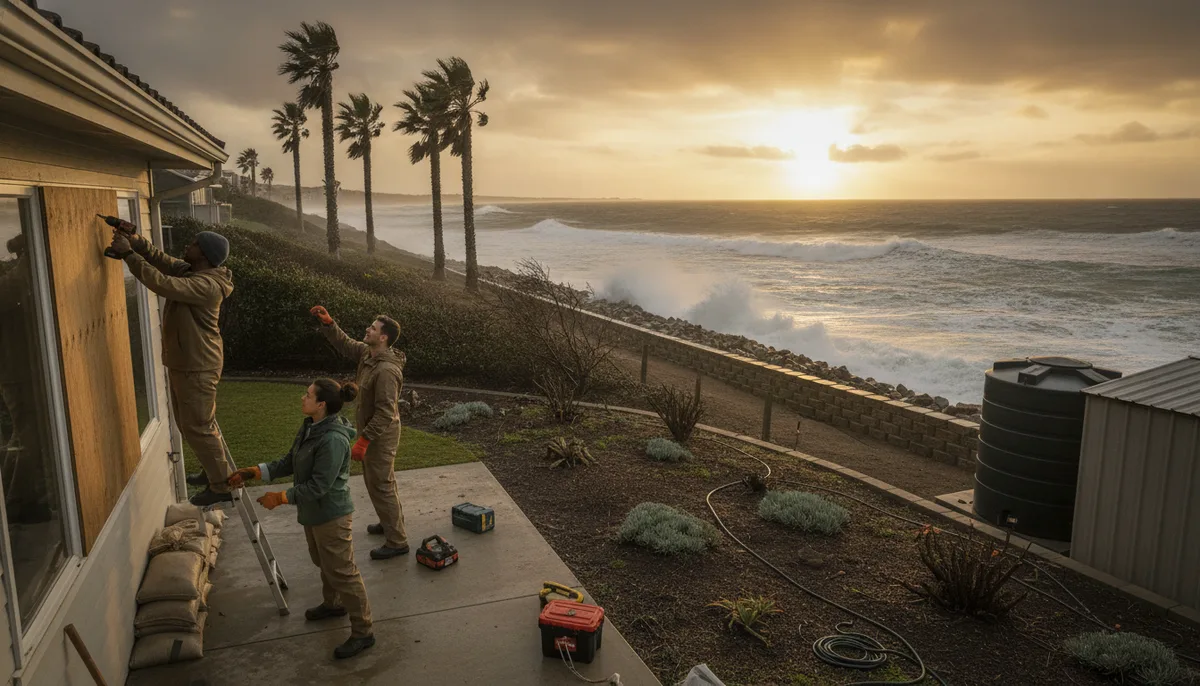
Preparing Your Property for the 2026-2027 Super El Niño: A Homeowner’s Guide
As we move deeper into the autumn of 2026, meteorologists are sounding the alarm on a climatic event that could redefine the coming winter. A "Super El Niño" is currently developing over the Pacific, and its trajectory suggests it could be one of the most powerful systems recorded in decades. For homeowners and real estate professionals, this isn't just a headline—it is a call to action.
The shift in atmospheric circulation, driven by record-high Pacific temperatures, is already beginning to manifest in unusual weather patterns. We have already seen the early effects of these shifts in our 2026 Fall Foliage Forecast: Why Your Autumn Colors May Look Different This Year, but the winter implications are far more significant for property integrity.
Whether you are looking to protect your forever home or preparing a listing for the market, understanding the specific risks of this Super El Niño is essential.
Understanding the "Super" in El Niño
El Niño is a natural weather cycle occurring when the Pacific Ocean becomes warmer than normal. However, "Super" El Niños are a different beast. These events represent extreme deviations from the norm, exerting a dominant influence on large-scale weather patterns across North America.
According to meteorologist Crystal Egger, the 2026 system is unique because the Pacific warmed much earlier and more intensely than usual. While El Niño is a natural phenomenon, scientists note that climate change is likely magnifying its strength. For homeowners, this means the "swings" in weather will be more violent. You might experience a week of record-breaking warmth followed immediately by a catastrophic rain event or a deep freeze.
The primary takeaway for property owners is that past performance is no longer a guarantee of future safety. A home that has never flooded before may be at risk this year due to the sheer volume of precipitation predicted for certain regions.
Regional Forecasts: What to Expect in Your Area
The impact of a Super El Niño is highly regional. Preparation requires knowing which specific threats are most likely to hit your zip code.
The Southwest and Southern California
This region is bracing for a significantly wetter winter. The primary concerns here are heavy, persistent rainfall, which leads to flash flooding, mudslides, and debris flows. In areas recently affected by wildfires, the risk of mudslides is particularly acute as the "burn scars" cannot absorb heavy runoff.
The Pacific Northwest
While Egger notes that this region may see a warmer and drier winter overall, the danger lies in the "atmospheric rivers" that El Niño can funnel toward the coast. Individual storms may be significantly more powerful than average, bringing high winds and sudden, heavy mountain snow.
The Southern Tier (Gulf Coast to Southeast)
Expect a wet, stormy winter. The increased moisture from the Pacific often translates to severe thunderstorms and localized flooding. However, there is a secondary risk: when cold air dips south, these moisture-heavy storms can turn into ice or freezing rain events, which are devastating to power grids and plumbing systems not designed for sustained freezes.
The Northeast and Midwest
The influence here is more variable. While these regions often experience warmer-than-average temperatures during El Niño years, the specific storm tracks determine whether you’ll face a brown winter or a series of heavy, wet snowstorms.
The Hidden Threat: Water Management and Drainage
"One of the most overlooked risks is water," says risk expert Melanie Musson. Most homeowners assume that if they aren't in a FEMA-designated flood zone, they are safe. A Super El Niño proves otherwise. When three inches of rain fall in a few hours, the issue isn't a rising river; it’s the failure of the home’s own drainage systems.
Inspecting Your Grading and Sump Pumps
The soil around your foundation should slope away from the house. Over time, soil settles, often creating "bowls" that catch water and direct it toward your basement or crawlspace. During a Super El Niño, these depressions become liabilities.
If your home has a basement, your sump pump is your last line of defense. Now is the time to test it. Pour a bucket of water into the pit to ensure the float switch triggers the pump. Given the high probability of power outages during intense El Niño storms, a battery backup is no longer an optional luxury.
Gutter Integrity
Gutters are designed to handle average rainfall. A Super El Niño brings anything but average. If your gutters are clogged with autumn leaves or are pulling away from the fascia, water will overflow, pouring directly onto your foundation or behind your siding.
Fortifying the Home Envelope: Roofs and Siding
A home’s "envelope" is its first defense against the elements. Real estate professional Lisa Martinez points out that two identical homes can face the same storm, but the one with "deferred maintenance" will suffer five times the damage.
Roof and Shingle Inspection
Check for loose, cracked, or missing shingles. In a high-wind El Niño event, a single loose shingle can be the entry point for gallons of water. Pay close attention to "flashing"—the metal strips around chimneys and vents. This is where most leaks begin.
Sealing the Gaps
Extreme heat (another hallmark of this El Niño) can dry out old caulk around windows and doors, causing it to crack. When the intense rains follow, water is driven into these cracks by high winds. Spend an afternoon recaulking these areas to prevent interior wall damage and mold growth.
Mechanical Systems and Emergency Readiness
Beyond the structure itself, you must consider the systems that keep the home habitable.
HVAC and Plumbing
In the South, where El Niño can bring unexpected ice storms, "frozen pipes" are a major concern. Ensure that any pipes in unheated areas (like crawlspaces or attics) are insulated. Additionally, have your furnace or heat pump serviced now. If a storm knocks out your heat, you don't want to find out your igniter is faulty when repair crews are backed up for weeks.
Power Redundancy
Super El Niños are notorious for taking down power lines via fallen trees and ice accumulation. If you rely on a well for water or have medical equipment at home, a portable generator or a large-capacity power station is essential.
Smart Monitoring
Because El Niño storms can be unpredictable, smart home technology can provide peace of mind. Wi-Fi-enabled leak detectors placed near water heaters, sump pumps, and under sinks can alert your phone the second moisture is detected, allowing you to intervene before a small leak becomes a flooded basement.
The Real Estate Perspective: Buying and Selling
If you are planning to sell your home this winter, the Super El Niño adds a layer of complexity to your strategy. Potential buyers will be hyper-aware of weather risks. A home that shows signs of water intrusion—such as water stains in the basement or overflowing gutters during a showing—will quickly lose its value.
Conversely, being able to demonstrate that you have proactively "weather-proofed" the home can be a significant selling point. Mentioning a new sump pump, reinforced roofing, or updated drainage can ease buyer anxiety. For those currently navigating the market, our guide on Mastering the Open House: A Strategic Guide for Buyers, Sellers, and Real Estate Professionals offers deeper insights into presenting a home effectively, even when the weather isn't cooperating.
For buyers, an El Niño winter is actually an excellent time to tour homes. You get to see exactly how the property handles water. Look at the gutters during a rainstorm; check the basement for the smell of dampness. A "dry" basement during a Super El Niño is the ultimate stamp of quality.
Final Thoughts: Preparation Over Panic
The predictions for the 2026-2027 Super El Niño are significant, but they aren't a reason for dread. As Melanie Musson suggests, the goal is to avoid the "rabbit hole of dread" by taking actionable steps today.
By spending a few hours on maintenance now—cleaning gutters, testing pumps, and sealing windows—you aren't just protecting a building; you are protecting your financial future and your family's safety. The weather patterns may be shifting, but a well-maintained home remains the best sanctuary against the storm.