
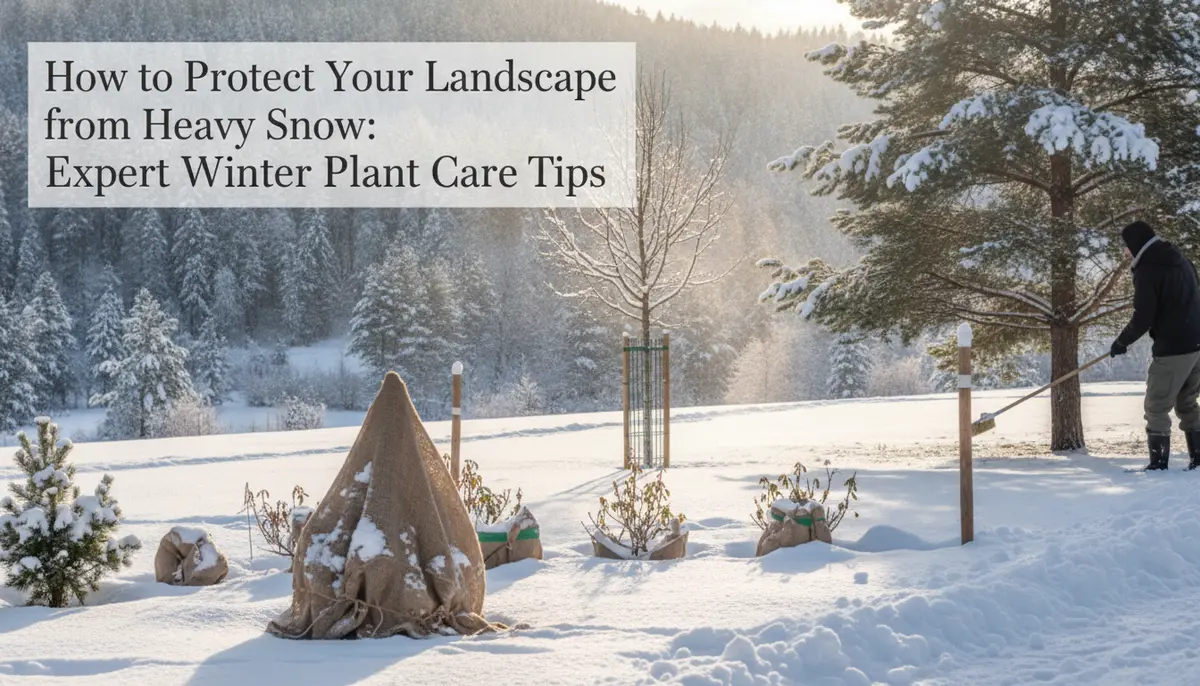
How to Protect Your Landscape from Heavy Snow: Expert Winter Plant Care Tips
When a winter storm warning appears on the horizon, most homeowners immediately think of shovels, salt, and emergency kits. However, for those who take pride in their landscaping, the concern often shifts toward the garden. Will the arborvitae survive the weight of the snow? Will the late-season perennials be crushed?
While many plants are naturally resilient, the combination of heavy, wet snow and freezing rain can pose a significant threat to your landscape's structural integrity. Understanding the balance between snow as a protective insulator and snow as a destructive force is key to successful winter gardening. With insights from Sharon Yiesla, a Plant Knowledge Specialist at The Morton Arboretum, we can navigate the complexities of winter plant care to ensure your greenery emerges healthy in the spring.
The Dual Nature of Snow: Insulation vs. Physical Weight
It may seem counterintuitive, but a layer of snow can be one of the best things to happen to your garden during a cold snap. Snow is composed of a high percentage of air, making it a remarkably effective insulator.
The Benefits of Snow Cover
For perennials and groundcovers like pachysandra, juniper, and vinca, a blanket of snow acts as a thermal buffer. It shields the plants from the "dessicating" or drying effects of winter winds, which can sap moisture from foliage when the ground is frozen. Furthermore, snow insulates the soil itself. This prevents the "heaving" cycle—where the ground freezes and thaws repeatedly—which can push bulbs and shallow-rooted plants out of the earth.
The Risks of Heavy Accumulation
The danger arises when the snow is heavy, wet, or accompanied by ice. According to Yiesla, heavy snow loads can bend branches to the point of no return or cause them to snap entirely. Evergreens are particularly vulnerable because their needles catch and hold snow more efficiently than the bare branches of deciduous trees. Additionally, unintended damage often occurs during storm cleanup; large piles of heavy snow shoveled or blown onto shrubs can easily crush them.
Identifying Your Most Vulnerable Plants
Not every plant in your yard requires intervention. The level of care needed often depends on the plant's species, its age, and your specific USDA Hardiness Zone.
Evergreens and Multi-Trunk Structures
Arborvitae are frequently cited by experts as being at high risk. Their open, multi-trunk structure acts like a basket, catching and holding massive amounts of snow. Without support, these trunks can splay outward, permanently ruining the plant's shape or causing the wood to split.
Delicate Deciduous Trees
While most deciduous trees handle snow well because they lack leaves in winter, some species have inherently brittle or delicate stem structures. Small Japanese maples, for example, can suffer significant branch loss under the weight of a heavy, wet "spring" snow.
New Plantings
Any tree or shrub planted within the last year is still establishing its root system and structural strength. These "newcomers" lack the resilience of established plants and should be monitored closely during their first few winters. To help these younger plants thrive long-term, proper planning is essential. If you are designing your garden layout to account for these vulnerabilities, you might find our guide on how to Maximize Your Harvest: The Essential Guide to Designing a Productive Raised Bed Garden Layout useful for understanding spatial requirements and plant placement.
Proactive Protection: Steps to Take Before the Storm
The best time to protect your plants is before the first snowflake falls. If the forecast looks grim, a few minutes of preparation can save years of growth.
- Tie Up Multi-Stemmed Evergreens: For upright evergreens like arborvitae or junipers, use soft twine or strips of burlap to loosely wrap the trunks together. This prevents the snow from getting inside the "V" of the branches and pushing them apart.
- Apply a Fresh Layer of Mulch: If you haven't already, ensure your garden beds have a 2- to 3-inch layer of organic mulch. This adds an extra layer of insulation to the root zones, complementing the snow's natural insulating properties.
- Move Containers: Potted plants are much more susceptible to root freeze than those in the ground. Move containers to a sheltered area, such as an unheated garage or against the south-facing wall of your home. If you have particularly tender plants that need a more controlled environment, consider the benefits of a dedicated structure. You can learn more in The Ultimate Guide to Building a DIY Mini Greenhouse with Recycled Windows.
The Dos and Don'ts of Snow Removal
When the storm hits, your instinct might be to rush out and clear every branch. However, improper snow removal can cause more damage than the snow itself.
The Gentle Brush Method
If you notice branches beginning to sag significantly, you can intervene. Yiesla recommends gently brushing the snow off the branches. Use an upward motion with a broom or a soft-bristle brush to lift the snow off.
Why You Should Never Shake Branches
It is tempting to grab a trunk and give it a vigorous shake to clear the snow. Do not do this. In extreme cold, wood becomes brittle. The force of shaking, combined with the weight of the snow, can cause branches to snap instantly. Furthermore, if the snow has turned to ice or is frozen to the needles, shaking can tear the plant tissue. If the snow doesn't come off with a gentle brush, the expert advice is to leave it alone and let it melt naturally.
The Myth of Wrapping: Why Less is Often More
A common sight in winter landscapes is shrubs wrapped tightly in burlap or plastic. While this is sometimes done to prevent "winter burn" from salt spray or wind, Sharon Yiesla warns that it is not the best option for snow protection.
Wrapping can be counterproductive for several reasons:
- Snow Collection: A wrapped plant can actually create a larger surface area, allowing even more snow to accumulate on top of the wrap, increasing the weight load.
- Moisture Traps: On milder winter days, moisture can get trapped inside the wrap. This creates a damp environment that can encourage fungal issues or rot.
- Light Deprivation: Evergreens are not dormant in the same way deciduous trees are; they still need to perform a low level of photosynthesis. Wrapping them tightly blocks the light they need to survive the winter.
Instead of full wraps, consider using a "snow fence" or a simple wooden A-frame structure over small, prized shrubs to deflect the weight of falling snow without touching the plant itself.
Post-Storm Recovery and Spring Planning
Once the snow melts, it is time to assess the damage. If you find broken branches, they should be pruned cleanly to prevent disease from entering the jagged wounds. However, wait until the threat of extreme cold has passed before doing heavy pruning.
As the ground thaws, the melting snow provides a vital source of hydration for your plants. This is also the time to begin thinking about the next growing season. As the moisture levels rise, so does the potential for early-season weeds to take hold in the nutrient-rich, damp soil. To stay ahead of the curve, refer to The Ultimate Early Spring Weed Prevention Guide: How to Stop Weeds Before They Start.
By understanding which plants need help and which are best left to nature, you can ensure your landscape remains a source of beauty and value for your home, regardless of what the winter weather brings. Respecting the "hardy" nature of your local flora while providing a little extra support to the vulnerable species is the hallmark of a savvy homeowner.