
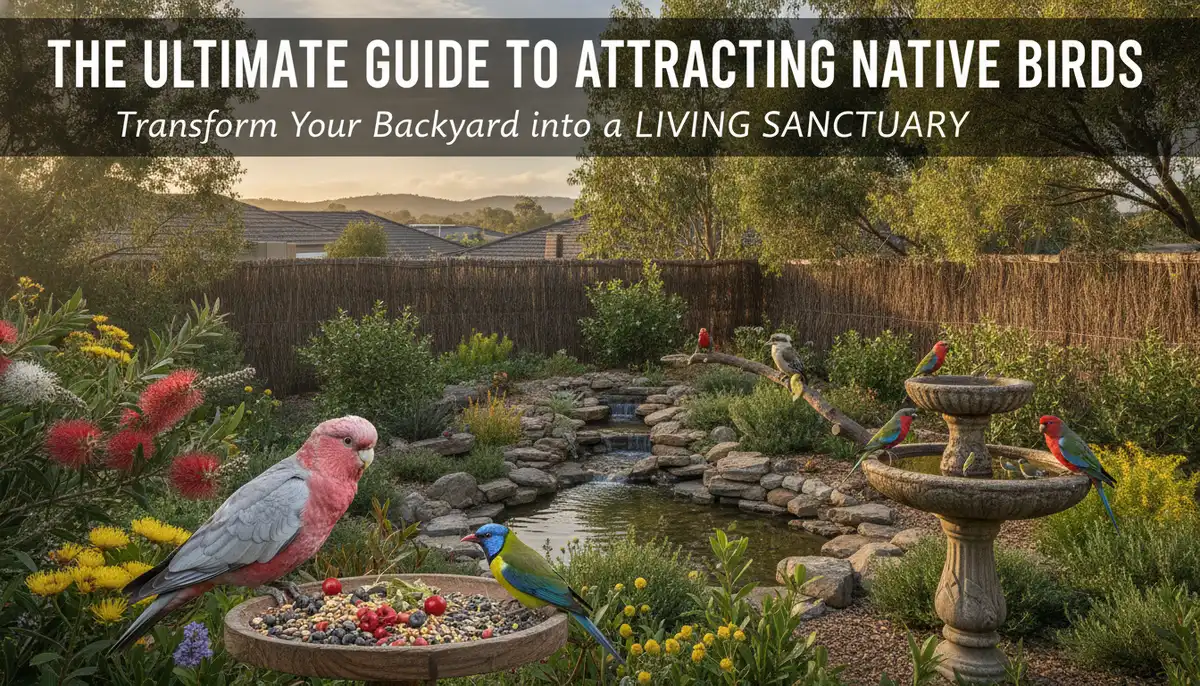
The Ultimate Guide to Attracting Native Birds: Transform Your Backyard into a Living Sanctuary
Attracting birds to your backyard is about more than just hanging a plastic tube filled with store-bought seed. While feeders have their place, the most sustainable and effective way to invite wildlife into your outdoor space is to view your garden as a functional ecosystem. Birds are crucial components of a healthy lawn and garden; they act as nature’s pest control by eating insects and serve as vital pollinators for a variety of plant species.
Whether you are looking to enjoy the flitting movements of a hummingbird or the brilliant red plumage of a cardinal against a snowy backdrop, the secret lies in providing three essentials: water, shelter, and—most importantly—natural food sources. As Julie Dellinger, marketing director at Garden for Wildlife, notes, "The best bird feeders are actually native plants." By shifting your focus from supplemental feeding to habitat restoration, you can create a sanctuary that supports birds through every season of their life cycle.
The Living Bird Feeder: Why Native Plants Outperform Birdseed
Traditional bird feeders are a wonderful way to observe birds up close, but they only provide a fraction of what a bird needs to survive and thrive. Native plants, on the other hand, provide a "living buffet" that changes with the seasons. Different bird species have highly specialized diets, and the flora you choose will directly determine which feathered visitors frequent your yard.
Native plants and local bird species have co-evolved over millennia. This means that native flowers produce the exact type of nectar hummingbirds need, and native trees host the specific caterpillar species that songbirds require to raise their brood. When you incorporate native species, you aren't just feeding birds; you are supporting the entire food web. This approach mirrors the philosophy found in Preservation with Purpose: Design Lessons from Pamela Anderson’s Garden of Eden, where intentional, nature-first design creates a lasting impact on the local environment.
Hummingbirds: The High-Energy Garden Pollinators
Hummingbirds are a perennial favorite for bird watchers due to their incredible agility and vibrant colors. However, these tiny birds are more than just a joy to watch; they are high-performance athletes of the avian world, requiring massive amounts of energy to sustain their rapid wing beats.
Designing for Nectar
To attract hummingbirds, you must cater to their "sugar addiction." Shane Pliska, CEO of Planterra, emphasizes that hummingbirds are less interested in berries and more focused on nectar-rich blooms. To turn your yard into a hummingbird hotspot, consider the following:
- Bee Balm (Monarda): These shaggy, colorful flowers are a magnet for hummingbirds and offer high nectar rewards.
- Trumpet Vine: The tubular shape of these flowers is perfectly evolved for the long bills of hummingbirds.
- Succession Planting: Ensure you have blooms available from early spring through late summer to support migrating populations.
In addition to nectar, hummingbirds are excellent "bug eaters," frequently snatching small gnats and spiders out of the air to provide the protein necessary for their diet.
Chickadees: Creating an Insect-Rich Habitat
While many people associate chickadees with winter bird feeders, their survival depends heavily on the availability of insects during the nesting season. A single pair of chickadees may need to catch thousands of caterpillars to successfully raise one clutch of eggs.
Keystone Trees and Nesting Habitat
To bring chickadees to your yard, you must plant trees that serve as "host plants" for insects. Julie Dellinger recommends focusing on keystone species:
- Oaks and Birches: These trees host hundreds of species of caterpillars, making them the ultimate grocery store for nesting chickadees.
- Native Cherries: Another powerhouse for insect diversity.
- Willows and Alders: These provide the dense thickets and soft wood often preferred for nesting habitat.
For winter survival, chickadees transition to a diet of seeds and fats. You can support them by leaving the seed heads intact on perennials like black-eyed Susans and coneflowers rather than cutting them back in the fall. If you choose to use a feeder, black oil sunflower seeds are a chickadee favorite.
Cardinals and Goldfinches: Berries, Seeds, and Winter Interest
The Northern Cardinal is perhaps the most iconic backyard bird, especially in the eastern United States. Unlike hummingbirds, which migrate, cardinals stay put during the winter, making them dependent on the food sources you provide during the coldest months.
The Winter Berry Buffet
Cardinals are primarily granivores (seed-eaters) and frugivores (fruit-eaters). To keep them in your landscape when the ground is covered in snow, you need a "winter berry buffet."
- Viburnum and Winterberry: These shrubs hold onto their fruit well into the winter, providing a critical caloric resource.
- Chokeberry: Another hardy native that offers late-season sustenance.
- Evergreen Shelter: Cardinals require dense cover to hide from predators and stay warm. Planting spruce, cedar, or holly provides the year-round protection they need.
Goldfinches: The Seed Specialists
Goldfinches are easily identified by the male’s bright yellow summer plumage. Unlike many other birds, goldfinches are almost entirely vegetarian, even feeding their young a diet of seeds rather than insects. To attract them, focus on large-seeded native flowers:
- Sunflowers: Both annual and perennial varieties are goldfinch favorites.
- Coneflowers (Echinacea): These sturdy flowers provide a landing platform for goldfinches to pluck seeds directly from the head.
Goldfinches are also happy to forage from the ground, so don't be too quick to tidy up your garden. A slightly "messy" garden with fallen seeds and leaf mulch is much more attractive to wildlife than a sterile, manicured lawn. This move toward a more natural landscape is often supported by traditional maintenance methods, as discussed in The Art of the Scythe: Why Modern Homeowners are Ditching Lawnmowers for Traditional Tools.
Mourning Doves and Ground Feeders
The mourning dove is known for its peaceful, rhythmic cooing. These birds are strictly ground feeders and rely almost entirely on seeds. To encourage them to visit:
- Open Spaces: Mourning doves prefer flat, open areas where they can easily spot predators while feeding.
- Native Grasses: Planting native bunchgrasses provides seeds and nesting material.
- Water Sources: Because doves eat a dry diet of seeds, they need frequent access to water. A low-profile bird bath or a ground-level water feature is ideal for them.
Beyond Food: The Importance of Water and Shelter
While food is the primary draw, birds will not stay in a yard that feels unsafe or lacks hydration.
Hydration for All Seasons
A clean water source is essential. In the summer, birds use water to cool down and keep their feathers clean for efficient flight. In the winter, finding liquid water can be a challenge for birds.
Integrated Pest Management
One of the greatest benefits of attracting birds is their role in pest control. For instance, many birds will feast on beetles and larvae that might otherwise destroy your garden. If you are struggling with specific pests, such as those detailed in Mastering Cucumber Beetle Control: A Professional Guide to Protecting Your Harvest, attracting insectivorous birds like chickadees and wrens can be a natural part of your mitigation strategy. Avoid using broad-spectrum pesticides, as these eliminate the very food source that brings birds to your yard in the first place.
Conclusion: Building a Better Backyard
Attracting birds to your backyard is a rewarding journey that connects you with the local environment. By prioritizing native plants—from the nectar-rich bee balm for hummingbirds to the keystone oak trees for chickadees—you create a resilient habitat that provides beauty and ecological value. Remember that a bird-friendly yard is a living landscape; it may look a little wilder and require less "tidying," but the reward is a vibrant, flitting sanctuary that brings the wonders of wildlife right to your window.