
Beyond the "Gray Era": Houzz Fall 2026 Design Trends and the Rise of the Personal Home
For nearly a decade, the "millennial gray" aesthetic and stark white minimalism have dominated the real estate and interior design markets. However, the Fall 2026 U.S. Houzz Design Trends Report signals a definitive turning point. Homeowners are no longer designing for a hypothetical future buyer; they are designing for themselves.
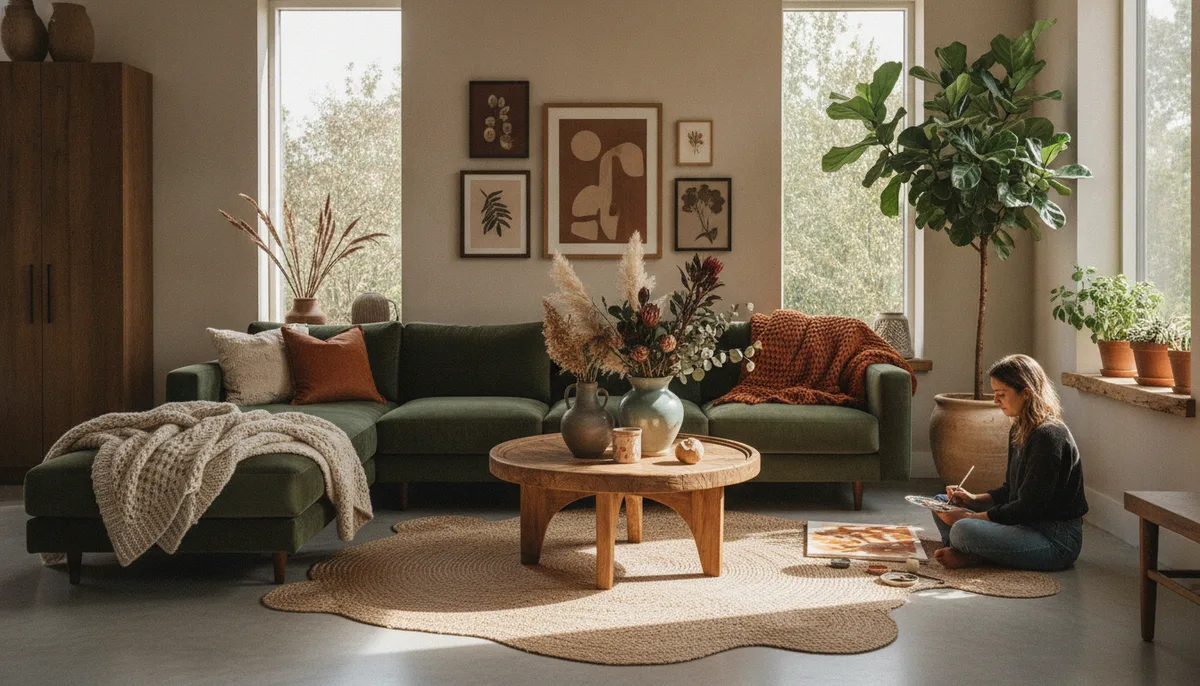
The latest findings from Houzz, which surveyed nearly 50 industry professionals, suggest a move toward "The Heartfelt Home"—a space characterized by warmth, tactile natural materials, and an unapologetic embrace of personal history. As we move into the latter half of the decade, the focus has shifted from "resale-ready" to "life-ready."
The Great Thaw: Moving Toward Warmer, Earthy Interiors
The most immediate takeaway from the Houzz report is the abandonment of cool, sterile color palettes. While white and gray were once the safe choices for maximizing light and perceived value, they are being replaced by a spectrum of warmth.
General contractor Nathan Svoboda notes that clients are increasingly gravitating toward Mediterranean-inspired details and "old-world" textures. This isn't just about painting a wall beige; it’s a holistic approach to warmth that includes:
- Plaster-Style Walls: Instead of flat latex paint, homeowners are opting for Roman clay or lime wash finishes that provide depth and movement.
- Warm Metallics: Polished chrome is taking a backseat to aged brass, bronze, and copper finishes that develop a patina over time.
- Earthy Wood Tones: Medium to dark wood grains are returning to kitchens and flooring, providing a grounding element that white cabinetry simply cannot offer.
To achieve this look without a full renovation, consider updating your hardware. can instantly shift the temperature of a kitchen from cold to inviting.
The "Collected" Home: Why Matching Sets Are Out
One of the most significant shifts identified by Houzz is the rise of the "collected" interior. Designer Judi Lee-Carr emphasizes that homeowners want their spaces to feel personal rather than "brand new and overly polished."
In practice, this means moving away from the "big box showroom" look where every piece of furniture matches in wood tone and fabric. Instead, the 2026 trend encourages:
Mixing Eras and Origins
A 1970s vintage sideboard might sit beneath a contemporary abstract painting, or a family heirloom rug might be paired with a sleek, modern sofa. This layering of history creates a narrative within the home. It tells a story of where the occupants have been and what they value, rather than just what was on sale that season.
Embracing "Perfect Imperfection"
The report highlights a growing interest in handmade-looking tiles and materials that show the hand of the maker. Zellige tiles, for instance, are prized for their uneven surfaces and slight color variations, which catch the light in ways that machine-pressed tiles cannot.
Designing for Self, Not for Resale
For years, real estate experts advised homeowners to keep their decor neutral to appeal to the widest possible pool of buyers. While Mastering the Open House: A Strategic Guide for Buyers, Sellers, and Real Estate Professionals remains essential for those actively listing their properties, the 2026 trend suggests that "neutral" is no longer the gold standard for long-term living.
Homeowners are now prioritizing their own joy over a future buyer’s preferences. This is manifesting in bold choices that were once considered "risky":
- Statement Wallpaper: From botanical prints to textured grasscloth, walls are becoming canvases for personality.
- Unique Tile Patterns: Instead of standard subway tile, we are seeing intricate mosaics and bold geometric layouts in mudrooms and bathrooms.
- Preserving Original Features: Rather than "gutting" older homes to make them look modern, owners are restoring original crown molding, built-in nooks, and historical flooring.
This shift actually benefits the real estate market in the long run by reintroducing character into neighborhoods that have become homogenized by "flip" culture.
Natural Materials and Raw Textures
The Fall 2026 report highlights a deeper appreciation for the raw characteristics of stone and wood. It’s no longer enough for a material to be natural; it must feel natural.
The Rise of Honed and Leathered Finishes
Highly polished, mirror-like granite and marble countertops are losing ground to honed (matte) and leathered (textured) finishes. These treatments feel softer to the touch and are often more forgiving when it comes to hiding fingerprints and minor scratches.
Stone as Art
Natural stone is moving beyond the countertop. We are seeing it in integrated stone sinks, furniture legs, and even light fixtures. The variation in veining is being treated as a natural work of art. For those looking to incorporate this trend on a smaller scale, a or a stone-based table lamp can introduce that tactile quality to a bathroom or living room.
Adaptability: The Home as a Lifelong Partner
Perhaps the most practical trend identified by Houzz is the focus on "Universal Design" and adaptability. As the population ages and multi-generational living becomes more common, the way we structure our floor plans is evolving.
Aging in Place
Architect Donovan Davis notes that designers are thinking about how a house will function for its owners ten or twenty years down the line. This includes:
- Curbless Showers: Eliminating the "lip" of a shower not only creates a sleek, modern look but also ensures accessibility for those with mobility issues.
- Wider Thoroughfares: Hallways and doorways are being designed with extra width to accommodate future needs.
- Flexible Layouts: A room that serves as a home office today might be designed with the plumbing and space to become a ground-floor primary suite later.
Secondary Suites and ADUs
The report also highlights the continued growth of Accessory Dwelling Units (ADUs). Whether used as a rental property, a guest house for visiting family, or a "granny flat," these structures provide the flexibility that modern families require.
Bringing the Trends Home: Where to Start
You don't need a total remodel to align your home with the 2026 aesthetic. The transition toward a more personal, warm, and natural space can happen in phases.
- Audit Your Lighting: Swap out "daylight" LED bulbs (which can feel blue and cold) for "warm white" bulbs. Consider adding dimmers to create ambiance.
- Layer Your Textiles: Introduce linen, wool, and velvet in earthy tones like terracotta, sage, and deep ochre.
- Incorporate "Found" Objects: Visit local antique shops or estate sales to find one or two pieces with history.
- Look to the Outdoors: Just as you might Maximize Your Harvest: The Essential Guide to Designing a Productive Raised Bed Garden Layout to connect with nature outside, bring that organic feeling inside with indoor trees or stone accents.
The Fall 2026 Houzz report is a breath of fresh air for those who have felt stifled by the rigid rules of minimalism. It is an invitation to build a home that is as unique, textured, and resilient as the people living inside it. By prioritizing warmth, natural beauty, and long-term functionality, we aren't just decorating—we are creating sanctuaries that stand the test of time.